
America250, Chapter IV: The Great Crusade
D-Day, American Leadership, and the Making of the Modern World

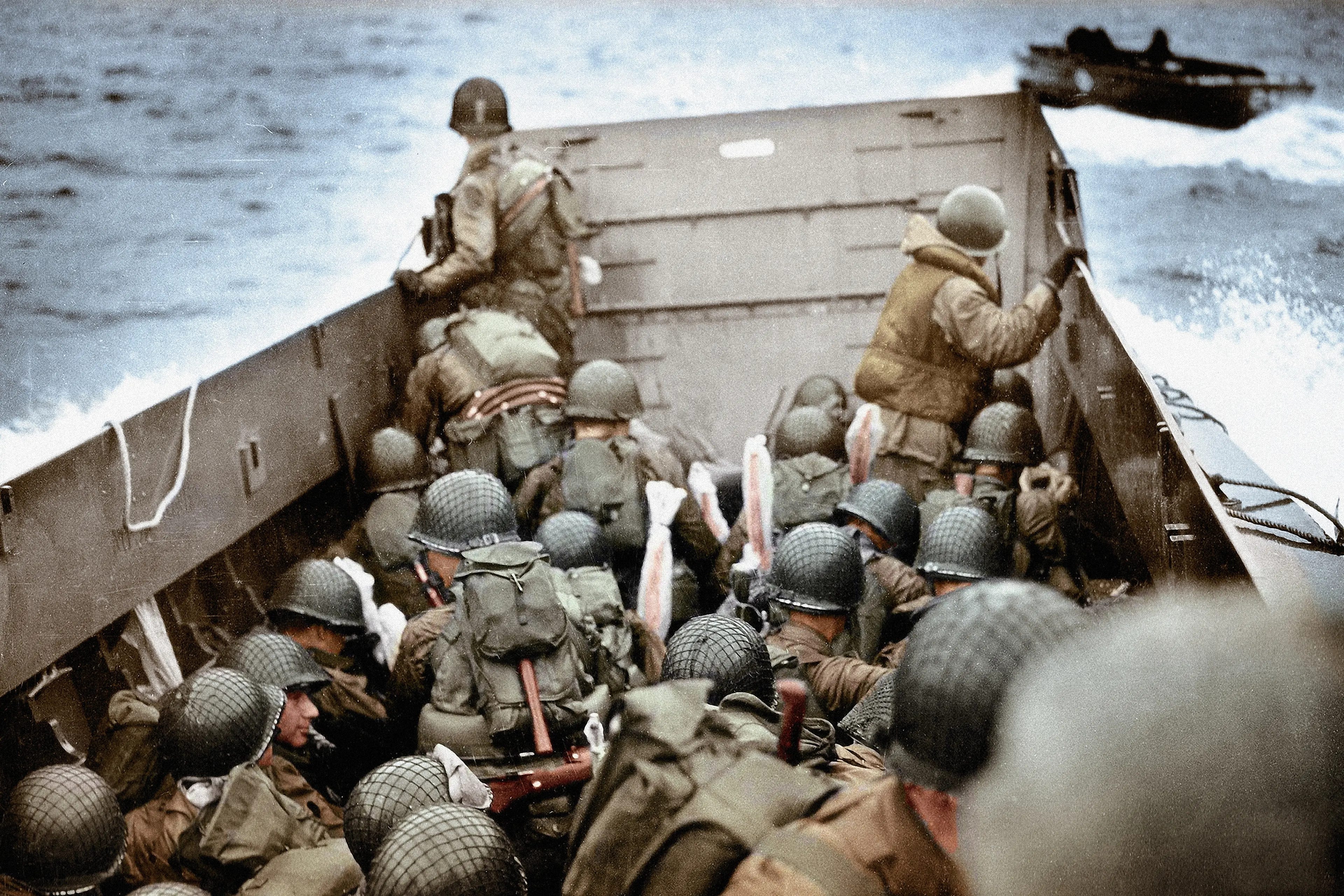
Be honest: how much do you know about D-Day beyond the opening scene of Saving Private Ryan? If it’s not much, that’s fine—I only know as much as I do because I was too unathletic as a kid to do anything during recess other than retreat to the library and read history books.
First, a refresher: on June 6, 1944, nearly 200,000 Allied troops landed by sea and air in Normandy, France to begin the liberation of Europe from Hitler’s Germany. It remains the largest amphibious invasion in human history.
But D-Day was far more than a battle. For today’s installment of my America250 series, on the 82nd anniversary of the Normandy landings, I want to make the case that it was not just one of the most decisive days of World War II, but one of the most American days in our nation’s history.
Why? Because D-Day exemplified both the source of America’s power and the way America is most effective in the world: mobilizing a diverse people at home while leading alongside allies abroad in defense of ideals larger than itself. Eighty-two years later, that lesson remains as relevant as ever.
The Power of a Diverse Democracy
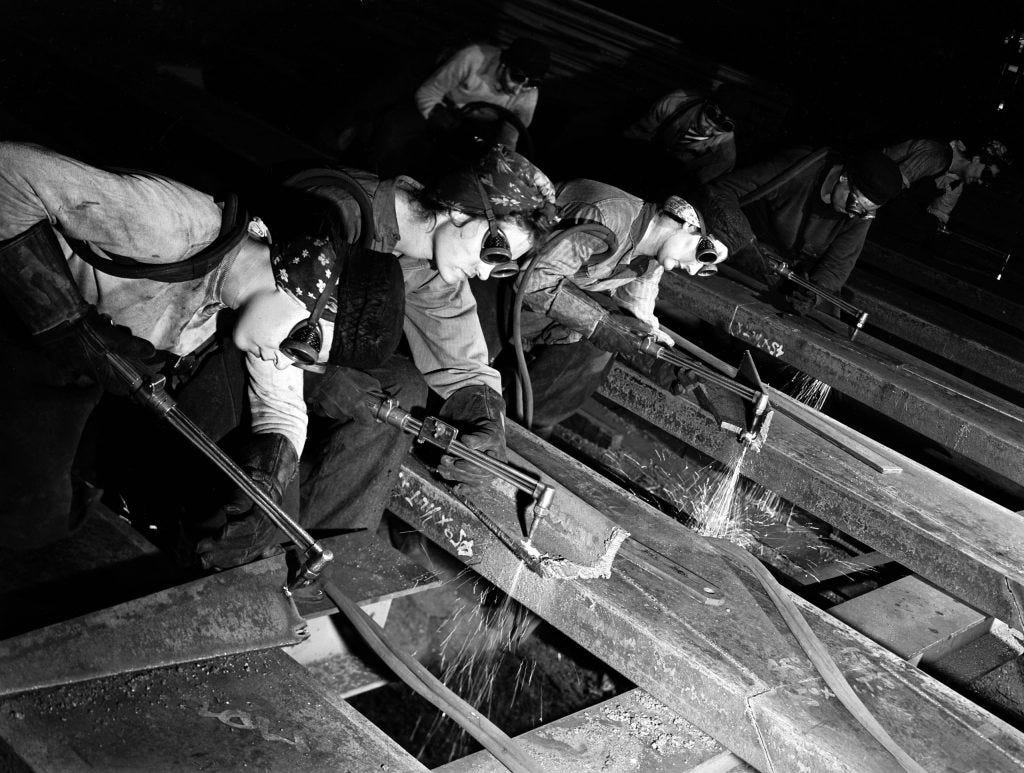
The success of D-Day and the Allied war effort rested in large part on America’s greatest strength: the ability of a diverse democracy to mobilize its people, industry, and institutions on a scale no other nation could match. Though both its infantry and officer corps were overwhelmingly white and male, America’s success on D-Day and in the war effort as a whole would not have been possible without contributions from Americans of every background.
Black Americans, though segregated into their own units, played vital logistical roles throughout the war, loading ships, driving supply convoys, and helping sustain the Allied advance across Europe. American women answered the call as well, filling factories at home and serving overseas as nurses, intelligence officers, mechanics, radio operators, and clerks. Meanwhile, Black Americans, American Indians, and Japanese-Americans also distinguished themselves in combat through units such as the Tuskegee Airmen, Navajo Code Talkers, and the highly decorated 442nd Regimental Combat Team.
While the other Allied nations were indispensable to victory, America possessed unique advantages that ultimately tipped the scales. Its vast resources, unmatched industrial capacity, and massive, diverse population enabled it to produce the weapons, vehicles, and supplies needed to wage a global war. More than sixteen million Americans served in uniform, while millions more contributed on the home front. Together, these strengths made the United States the decisive force behind the Allied victory over fascism.
The Power of Allied Unity
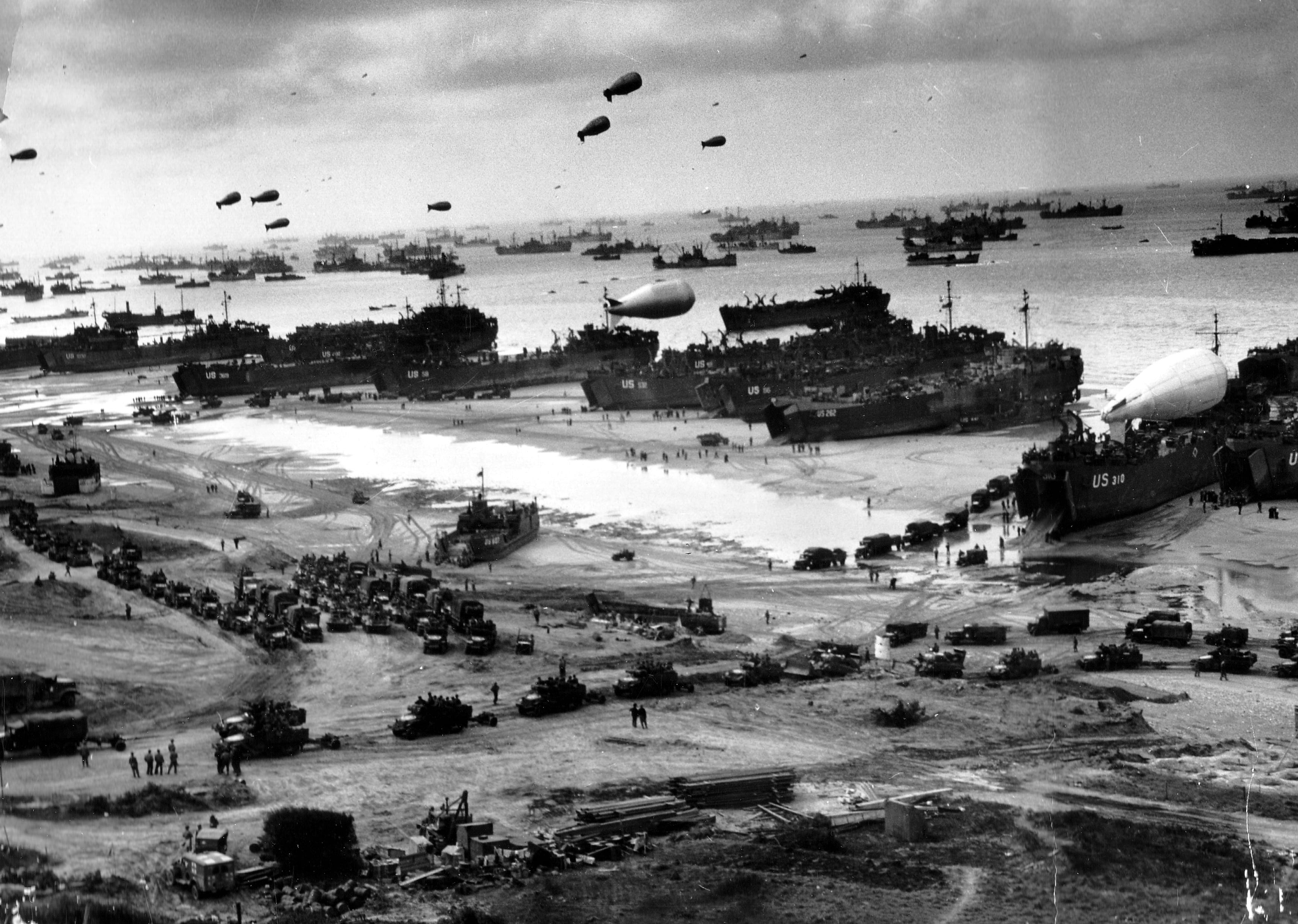
It was with this diverse fighting force that America led a multinational coalition onto the beaches of Normandy and other battlegrounds in what was perhaps the most morally unambiguous struggle between good and evil in the modern age. D-Day was not merely a battle between rival nations, but a confrontation between two fundamentally incompatible visions of civilization itself: one that held that all human beings possess inherent dignity and freedom, and another that divided humanity into masters and subhumans to be enslaved or exterminated.
While the United States would become the decisive force behind Allied victory, D-Day was not an American operation alone. British, Canadian, French, Polish, Norwegian, Dutch, Belgian, and other Allied forces all contributed troops, intelligence, logistics, and sacrifice to the liberation of Europe. The Normandy landings demonstrated a lesson that remains just as relevant today: America achieves its greatest successes not when it acts unilaterally, but when it leads alongside like-minded nations.
No participant in D-Day better conveyed its scale and significance than Dwight D. Eisenhower, U.S. Army commander and leader of the Allied Expeditionary Forces. In a letter delivered to the 175,000 troops preparing to cross the English Channel on the eve of the invasion, he wrote:
You are about to embark upon the Great Crusade, toward which we have striven these many months. The eyes of the world are upon you. The hope and prayers of liberty-loving people everywhere march with you. In company with our brave Allies and brothers-in-arms on other Fronts, you will bring about the destruction of the German war machine, the elimination of Nazi tyranny over the oppressed peoples of Europe, and security for ourselves in a free world.
In that “Great Crusade,” American boys and their Allied counterparts landed on the beaches of northern France under blankets of enemy fire, parachuted from C-47s carrying more than 50 pounds of equipment as flak burst around them, and fought through the hedgerows and farmland of Normandy to establish footholds in the European continent. Forty-four hundred Allied troops—more than half of them Americans—made the ultimate sacrifice that day. Hundreds of thousands more would do the same in the eleven months that followed on the road to Berlin. Their victory liberated Europe from Nazi tyranny and laid the foundation for a more prosperous and peaceful world order than any previous generation had known.
Building a Freer World
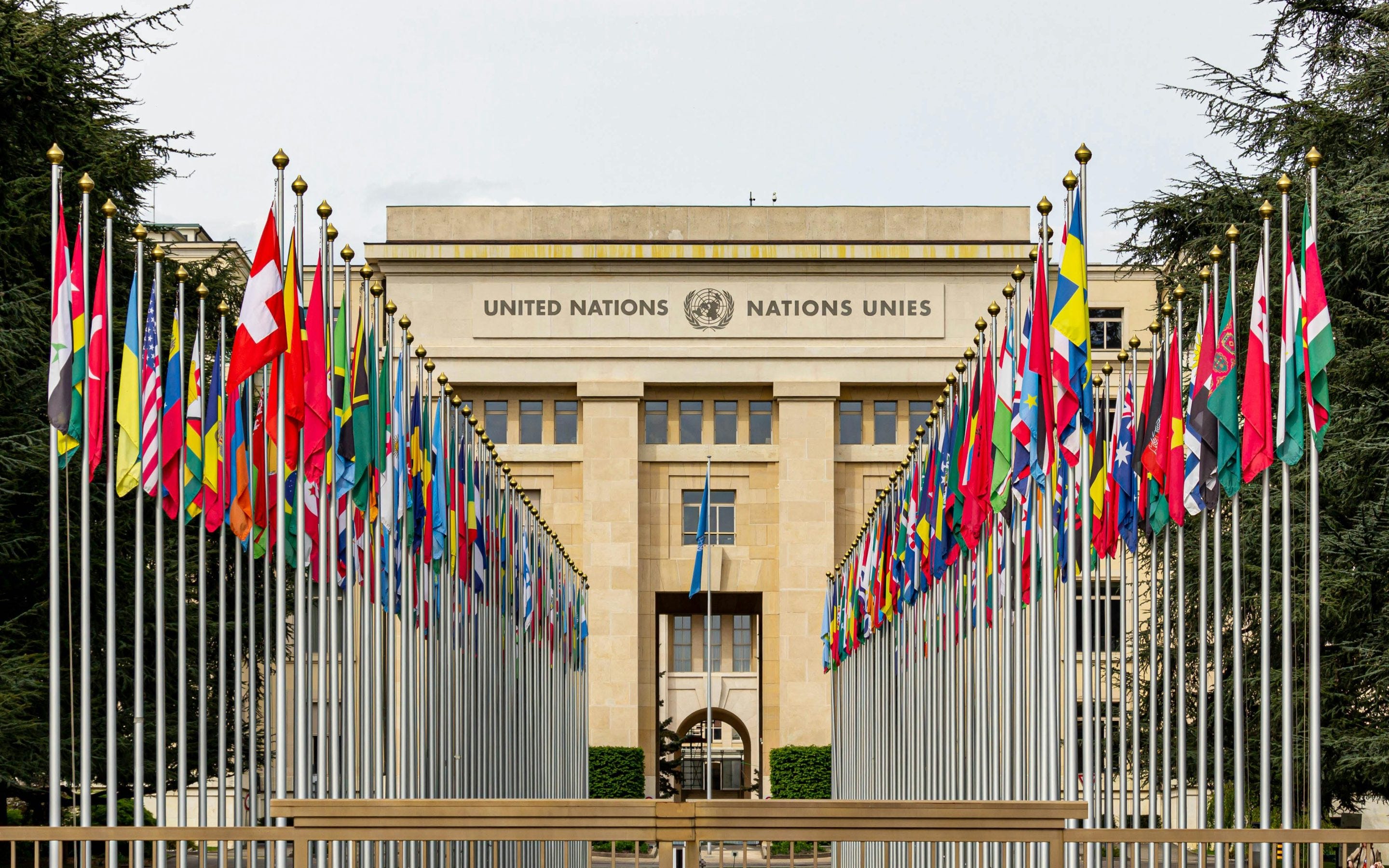
As we reflect today on the sacrifices made on June 6, 1944, we should also reflect on what those sacrifices helped create. The liberal international order built in the aftermath of the war was not inevitable; it was constructed by the United States and its democratic allies and has endured only through their continued commitment.
With Europe in ruins, America took on the mantle of helping build a system that not only reaffirmed the Westphalian principle of state sovereignty, but also enshrined newer liberal ideas like collective security, international law, and universal human rights. The United Nations, NATO and other alliances, the Bretton Woods institutions, and the first formal international recognition of human rights all emerged from this period and remain pillars of the liberal international order.
To be sure, nations continued to pursue their own interests. But the postwar system encouraged them to do so within a framework of alliances, institutions, and shared rules rather than through conquest and domination alone. For more than seventy years, the United States stood at the center of this order, defending it through military alliances, economic cooperation, and diplomatic efforts to deter aggression and broker peace between nations. While no international system is perfect, the one built after World War II helped produce an era of stability and prosperity unprecedented in human history.
Why D-Day Still Matters
That legacy is not self-sustaining.
President Trump has challenged alliances that previous generations of American leaders considered essential, strained relationships with democratic partners, and embraced a far more transactional approach to foreign policy. Meanwhile, as China and Russia grow more aggressive abroad, he has often appeared more comfortable with authoritarian strongmen than with the democratic coalition America once led.
Though one may be tempted to characterize Trump’s foreign policy as a return to the nineteenth-century era of Great Power politics, such a comparison is too charitable. Traditional great powers still pursued national interests within a recognizable international system. Trumpism instead treats alliances and diplomacy as transactional tools for rewarding loyalty, punishing dissent, and advancing his and his family’s financial interests.
Speaking in Normandy on the 80th anniversary of D-Day, then-President Biden offered a different vision:
America has invested in our alliances and forged new ones, not simply out of altruism, but out of our own self-interest as well. America’s unique ability to bring countries together is an undeniable source of our strength and our power. Isolationism was not the answer 80 years ago and is not the answer today.
Biden’s warning was not merely rhetorical. International law and collective security survive only so long as powerful nations are willing to uphold them. Once major powers begin abandoning allies or disregarding shared rules, war and aggression become contagious.
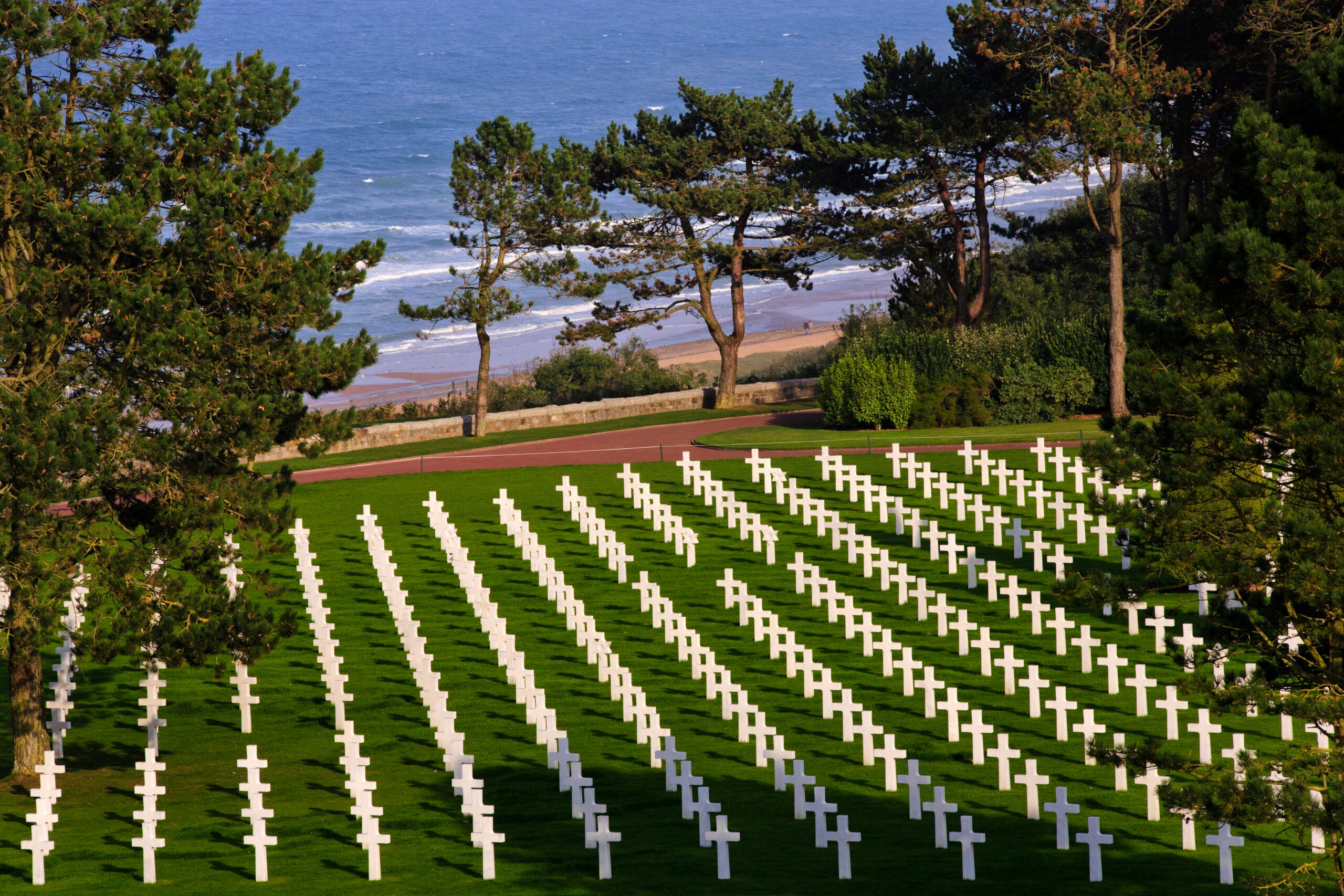
That is why D-Day remains relevant today. The men who stormed the beaches of Normandy demonstrated not only the power of the United States, but the power of free nations acting together in pursuit of a common cause. Together, they helped create a world that, while imperfect, was freer, safer, and more prosperous than the one they inherited. Preserving that inheritance is now our responsibility.
As America looks toward the future, we can also look back: to a day, eighty-two years ago, when we demonstrated, more clearly than perhaps at any other moment in our history, our capacity and willingness to confront tyranny not only for our own security, but in defense of a freer world.